
Exploring the Best Gaming Keyboards for Every Gamer
An in-depth look at the various gaming keyboards available, their features, and how to choose the pe
An in-depth look at the various gaming keyboards available, their features, and how to choose the pe
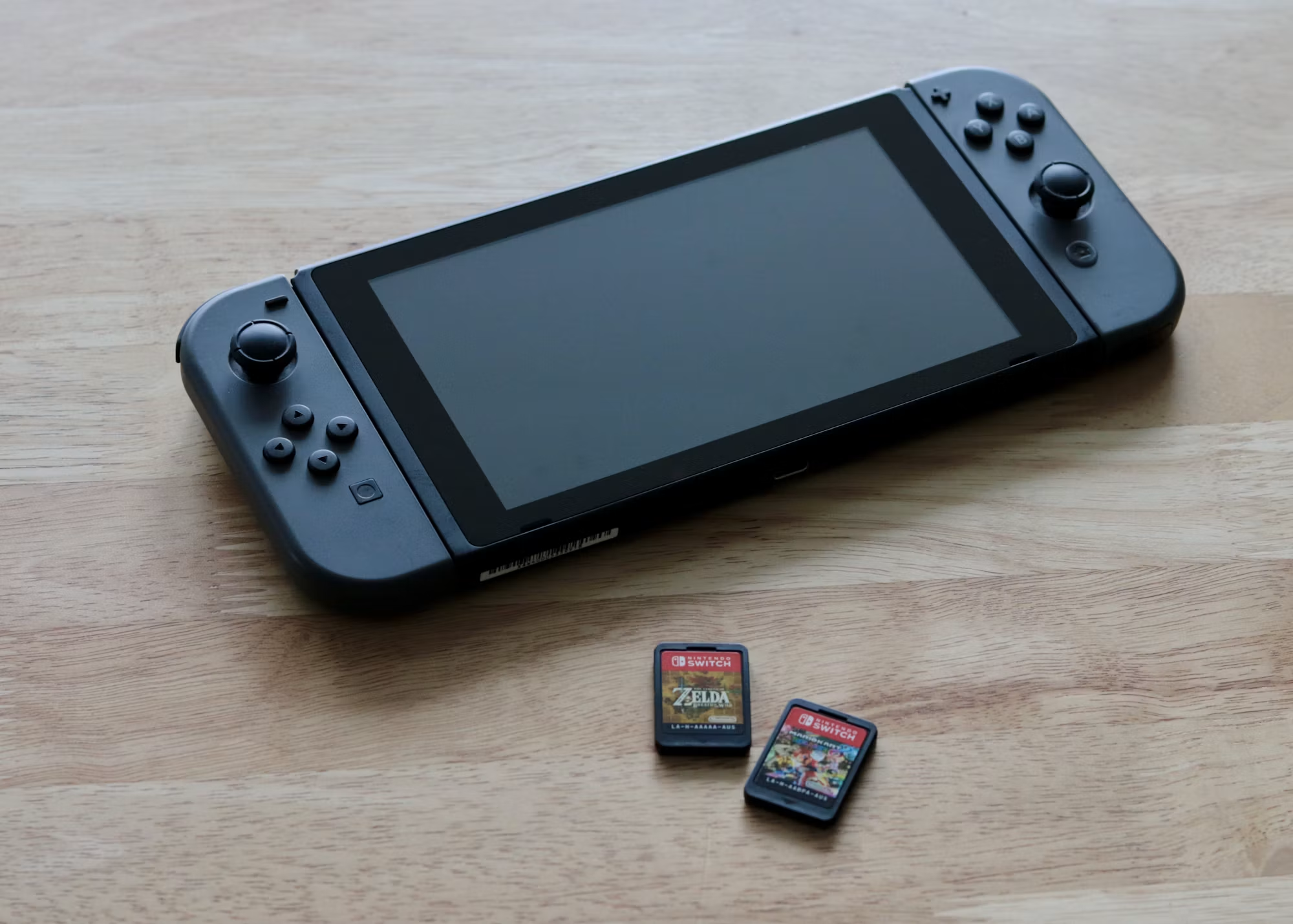
This article explores the evolution of game design through the decades, examining technological adva

Board games have been a source of entertainment and social interaction for centuries, captivating players across generations. This article delves into the rich history of board games, their cultural significance, and the reasons behind their modern resurgence.
The origins of board games can be traced back to ancient civilizations. One of the earliest known board games is Senet, which dates back to ancient Egypt around 3100 BCE. This game, played on a rectangular board with 30 squares, was not only a pastime but also held religious significance, symbolizing the journey through the afterlife. Similarly, the Royal Game of Ur, from Mesopotamia, showcased the widespread appeal of board gaming across different cultures.
As time progressed, various civilizations developed their own unique board games. In China, Go emerged over 2,500 years ago, emphasizing strategy and foresight. In India, Chaturanga, the precursor to chess, introduced complex gameplay involving various pieces with distinct movements. The medieval period saw the rise of chess in Europe, a game that has endured through the ages, reflecting both skill and strategy.
By the 19th century, board games began to evolve into the formats we recognize today. Games like Monopoly and The Game of Life emerged, incorporating elements of chance, strategy, and social commentary. Monopoly, originally created to illustrate the consequences of land monopolism, became a cultural phenomenon, allowing players to engage in competitive property trading. The Game of Life, meanwhile, simulated the ups and downs of life’s journey, appealing to families and social groups alike.
The rise of board games continued into the 20th century, with a proliferation of new titles catering to diverse audiences. The introduction of games like Scrabble in the 1930s combined wordplay with strategy, while Clue provided players with a mystery to solve. These games not only entertained but also served as a platform for social interaction, encouraging players to gather around a table and engage with one another.
In recent years, board games have experienced a remarkable resurgence, largely driven by a new generation of enthusiasts. This revival can be attributed to several factors. Firstly, the rise of crowdfunding platforms has allowed independent designers to create and distribute innovative games that challenge traditional conventions. Games like Catan and Ticket to Ride, which emphasize strategic thinking and resource management, have gained immense popularity, introducing new players to the joy of board gaming.
Furthermore, the social aspect of board gaming has become increasingly relevant in our digital age. In a world dominated by screens, board games offer a tactile experience that fosters face-to-face interaction. Game nights have become a staple in many households, where friends and family gather to enjoy a shared experience. This shift towards in-person gaming creates lasting memories and strengthens social bonds, something that is often lacking in online interactions.
The diversity of themes and mechanics in modern board games has also contributed to their appeal. Today’s board games cover a wide range of topics, from fantasy and science fiction to historical events and cooperative gameplay. Players can choose games that resonate with their interests, whether they prefer strategy, storytelling, or creativity. The growth of genres such as worker placement, deck-building, and party games has made board gaming accessible to everyone, regardless of their gaming background.
In addition, board games have been embraced by educators and parents as valuable tools for learning. Many games promote critical thinking, problem-solving, and teamwork skills. For example, games like Pandemic encourage players to work together to solve challenges, fostering collaboration and communication. This educational aspect has led to the incorporation of board games into classroom settings, making learning engaging and interactive.
The future of board games looks promising, with continued innovation on the horizon. The integration of technology into board gaming is opening up new possibilities, such as app-supported games that enhance the gameplay experience. Additionally, hybrid games that combine physical components with digital elements are becoming more prevalent, appealing to tech-savvy players while preserving the essence of traditional gaming.
In conclusion, board games have a rich history that reflects the evolution of human interaction and creativity. From their ancient origins to their modern resurgence, board games continue to captivate players and foster social connections. As we embrace the future of gaming, the enduring allure of board games will undoubtedly remain a cherished part of our cultural fabric, inviting players to gather, compete, and create memories together.

This article delves into the rise of indie games, highlighting their impact on the gaming industry,
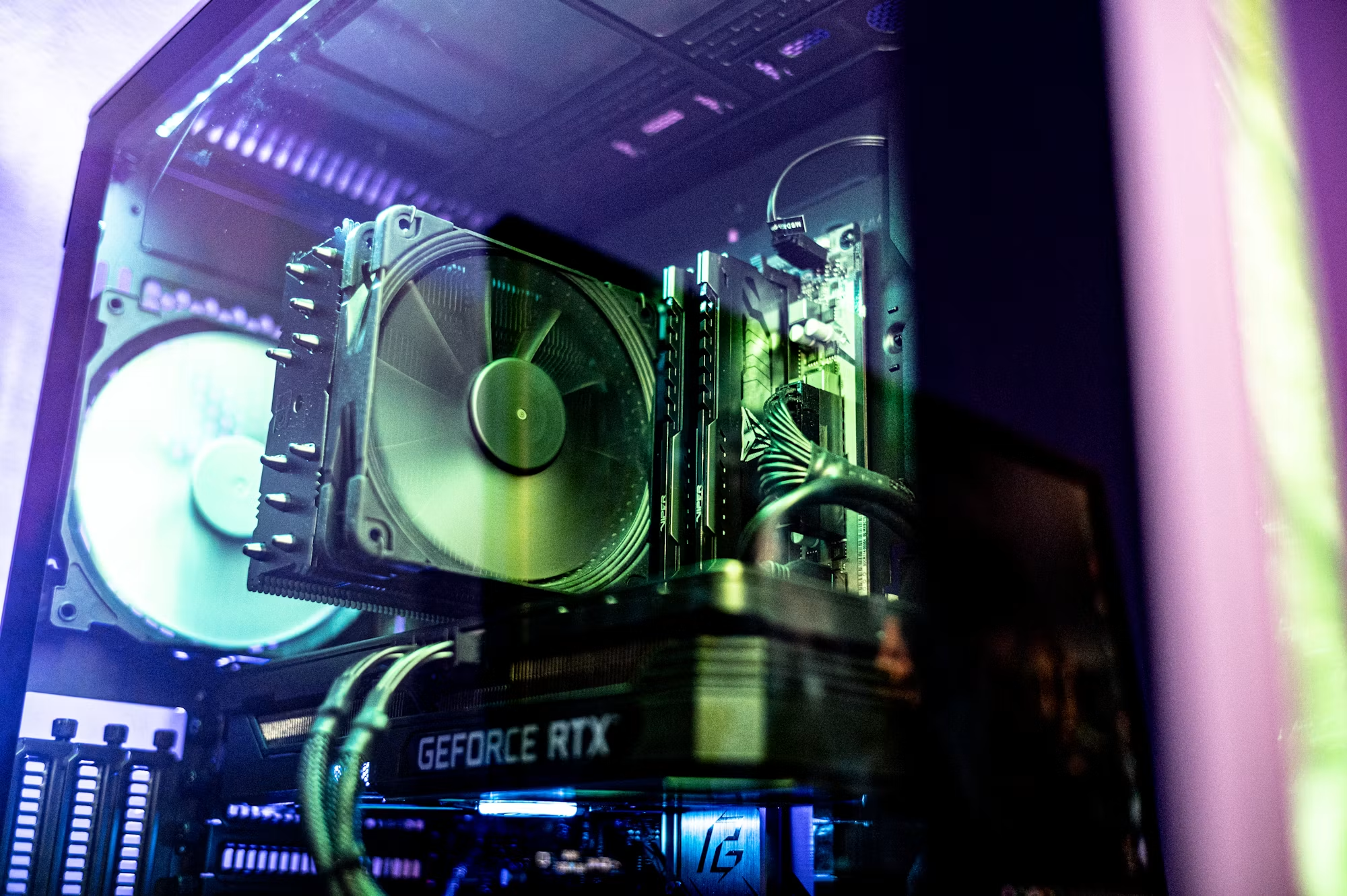
This article explores the fundamental principles of game design, the importance of player engagement

Game design is a multifaceted art that combines creativity, technology, and psychology to create immersive experiences that captivate players. With the gaming industry growing exponentially, understanding the principles behind effective game design has never been more important. In this article, we will explore the core elements of game design, the creative processes involved, and what the future may hold for this exciting field.
The Foundations of Game Design
At its core, game design involves creating rules and systems that define how a game operates. This process encompasses everything from the initial concept to the final product, integrating art, sound, narrative, and gameplay mechanics. To craft a successful game, designers must consider various elements, including the target audience, genre, and platform.
Core Mechanics
The core mechanics of a game are the fundamental actions that players can take. These mechanics dictate how players interact with the game world and each other. Common mechanics include jumping, shooting, puzzle-solving, and resource management. A well-designed game will have mechanics that are intuitive, rewarding, and engaging, allowing players to easily grasp how to play while offering depth for mastery.
For instance, in platformers like Super Mario, jumping and running are the core mechanics, but the design intricacies allow for varying levels of challenge and skill. In contrast, strategy games like StarCraft focus on resource management and tactical decision-making, offering a different kind of engagement. Balancing these mechanics is crucial; too simple, and players may lose interest, but too complex can lead to frustration.
Narrative and World-Building
A compelling narrative can elevate a game from mere entertainment to an immersive experience. Storytelling in games is often achieved through character development, dialogue, and environmental storytelling. Designers must create a world that feels alive and engaging, with lore that enriches the gameplay experience.
In role-playing games (RPGs) like The Witcher 3, the narrative is deeply intertwined with gameplay, as players explore rich environments filled with quests and character interactions. World-building goes hand in hand with narrative, as the setting can significantly influence player engagement. The aesthetics, atmosphere, and rules of the game world should align with the story to create a cohesive experience.
Art and Aesthetics
Visual design plays a crucial role in game design, as it directly impacts the player’s immersion and enjoyment. The art style should not only appeal to the target audience but also complement the game’s mechanics and narrative. Different genres often lend themselves to specific art styles; for instance, a cartoonish aesthetic may suit a family-friendly game, while a realistic style might be more appropriate for a gritty narrative.
Sound design is equally important. A well-composed soundtrack can enhance the emotional depth of a game, while sound effects contribute to gameplay feedback. For example, the satisfying sound of collecting coins in a platformer can reinforce positive actions, creating a rewarding experience for the player.
The Creative Process of Game Design
Game design is not just about creating fun mechanics; it is a highly iterative process that involves brainstorming, prototyping, testing, and refining ideas. Here are some critical stages in the game design process:
Concept Development
Every game starts with an idea. Designers often begin by brainstorming concepts, exploring what kind of game they want to create. This stage may involve creating a game design document (GDD), outlining the game’s core mechanics, narrative, art style, and target audience. Collaboration among designers, artists, and writers is essential to form a unified vision for the game.
Prototyping
Once a concept is established, designers create prototypes to test their ideas. Prototyping can take various forms, from paper prototypes for board games to simple digital versions of video games. The goal is to evaluate whether the core mechanics are fun and engaging, allowing designers to identify potential issues early in the process. Playtesting with real users is a critical step in refining the gameplay and gathering feedback.
Iteration and Testing
Game design is inherently iterative. After playtesting, designers analyze player feedback and make necessary adjustments. This cycle of testing and refining can happen multiple times, ensuring that the game evolves based on actual player experiences. Attention to detail is crucial during this phase, as even small changes can significantly impact the overall enjoyment of the game.
Trends Shaping the Future of Game Design
As technology advances, the landscape of game design continues to evolve. Several trends are currently shaping the future of the industry:
Virtual Reality (VR) and Augmented Reality (AR)
The rise of VR and AR technologies is revolutionizing how games are designed and experienced. VR offers players a fully immersive experience, placing them directly in the game world. Designers must think creatively about how to leverage this technology, creating mechanics that are unique to VR gameplay.
AR, on the other hand, blends the real world with digital elements, as seen in games like Pokémon GO. This hybrid approach creates new opportunities for game design, allowing players to interact with their surroundings in innovative ways.
Indie Game Development
The democratization of game development tools has led to a surge in indie games. Smaller teams can now create high-quality games without the need for large budgets or resources. This trend encourages creativity and experimentation, as indie developers often take risks with unconventional mechanics and narratives. The success of games like Hollow Knight and Celeste showcases the potential of indie developers to create impactful gaming experiences.
Community Engagement
Engaging with the gaming community has become a vital aspect of game design. Many developers now involve players in the design process through beta testing and community feedback. This collaboration can lead to games that better reflect player desires and expectations, resulting in a more dedicated fan base.
Conclusion
The art of game design is a complex and rewarding field that combines creativity, technology, and psychology. From crafting engaging mechanics to building immersive worlds, game designers play a crucial role in shaping the experiences that players enjoy. As the industry continues to evolve, staying attuned to emerging trends and player expectations will be vital for designers looking to create the next great gaming experience. The future of game design promises exciting possibilities, where creativity knows no bounds, and immersive experiences continue to captivate audiences worldwide.
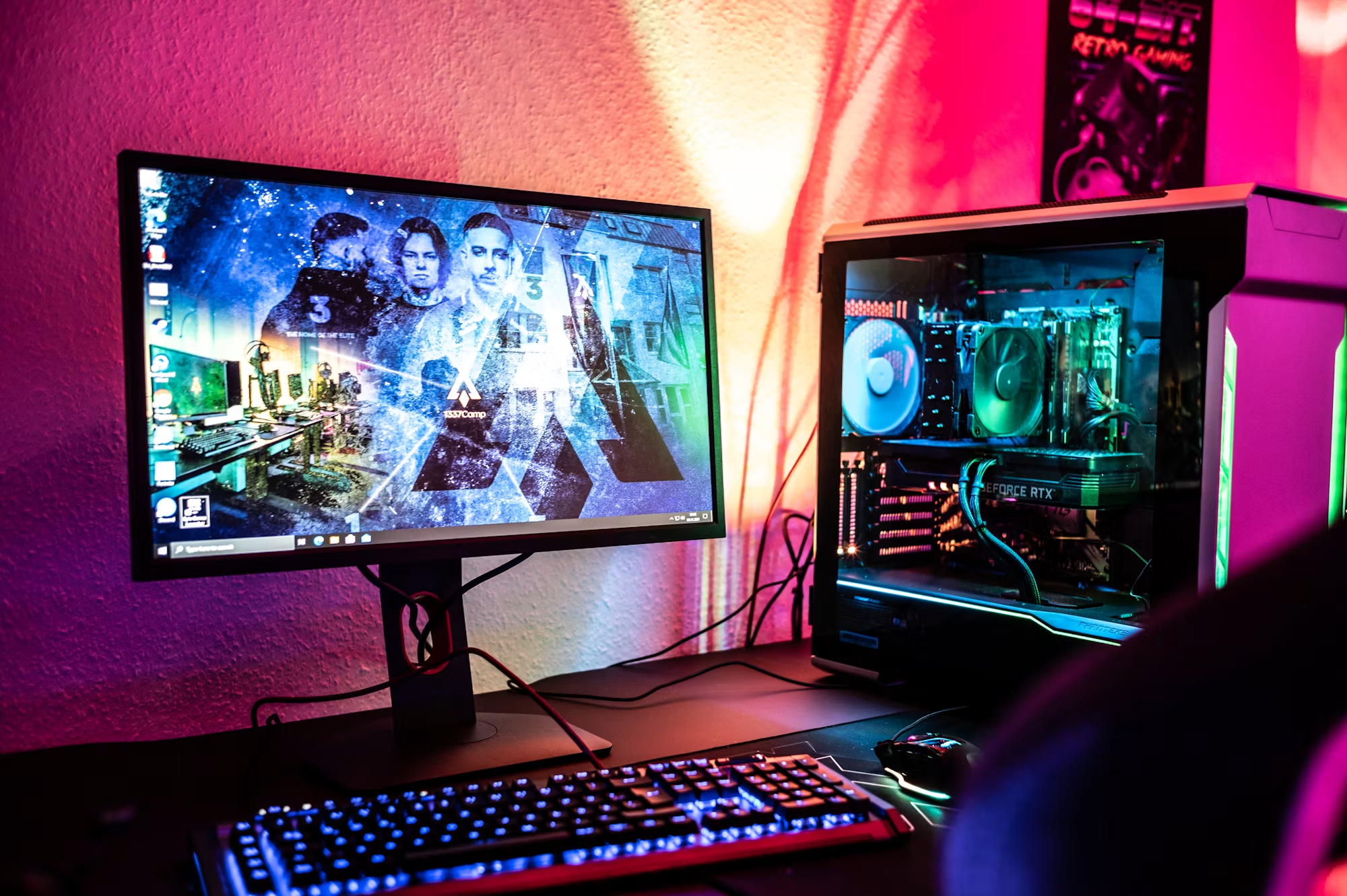
This article examines the evolution of virtual reality in gaming, its impact on player experiences,

This article examines the evolution of game design, tracing its journey from early pixelated games t

The world of video game design has undergone a remarkable transformation since its inception in the late 20th century. From simple pixelated graphics and basic gameplay mechanics to immersive virtual worlds that captivate millions, game design has continually evolved to meet the demands of players and advancements in technology. This article explores the evolution of game design, tracing its journey from the early days of gaming to the cutting-edge experiences available today.
The journey of game design began in the 1970s, with titles like “Pong” and “Space Invaders” laying the groundwork for future developments. These early arcade games introduced players to the concept of scoring points and competing for high scores, which became foundational elements of gaming. The simplicity of the graphics and gameplay mechanics allowed for quick sessions, appealing to a broad audience. However, as technology progressed, so too did the aspirations of game designers.
The 1980s marked a significant turning point in game design with the introduction of home consoles like the Atari 2600 and the Nintendo Entertainment System (NES). This era saw the emergence of iconic franchises such as “Super Mario Bros.,” “The Legend of Zelda,” and “Metroid.” These games not only showcased improved graphics but also introduced players to more complex narratives and character development. The concept of a game world, complete with exploration and quests, began to take shape, setting the stage for future innovations.
As the 1990s approached, advancements in technology continued to influence game design. The introduction of 3D graphics revolutionized the industry, enabling developers to create richer environments and more realistic characters. Titles like “Doom” and “Final Fantasy VII” exemplified the shift toward 3D design, captivating players with their immersive worlds and engaging storylines. The ability to navigate three-dimensional spaces added depth to gameplay, allowing for new mechanics such as exploration and puzzle-solving.
The evolution of game design was further propelled by the rise of personal computers. The PC gaming landscape expanded dramatically, with titles like “The Sims” and “Half-Life” pushing the boundaries of interactivity and storytelling. Developers began to explore the potential of player choice, leading to the creation of branching narratives and multiple endings. This shift represented a new approach to storytelling in games, where player decisions significantly impacted the outcome.
The 2000s saw the proliferation of online gaming, leading to the rise of multiplayer experiences and community-driven gameplay. Titles like “World of Warcraft” and “Call of Duty” revolutionized how players interacted with each other, fostering a sense of camaraderie and competition. Game design shifted to accommodate online features, including matchmaking systems, player progression, and live events. This era also witnessed the emergence of downloadable content (DLC) and microtransactions, allowing developers to continue supporting games long after their initial release.
In recent years, the gaming landscape has been transformed by the rise of mobile gaming and the accessibility of game development tools. The success of smartphones has enabled a new generation of players to engage with games in ways that were previously unimaginable. Titles like “Angry Birds” and “Candy Crush Saga” demonstrated that games could be simple, addictive, and accessible, appealing to a wide demographic. This shift has encouraged developers to experiment with new gameplay mechanics and monetization strategies, leading to a diverse array of gaming experiences.
Indie games have also emerged as a vital component of the gaming ecosystem, providing a platform for creativity and innovation. Developers can now create and distribute games independently, leading to the rise of unique titles that challenge conventional norms. Games like “Celeste,” “Hades,” and “Stardew Valley” have showcased the power of storytelling and gameplay mechanics, proving that independent developers can create experiences that resonate with players on a deep level.
As we look to the future, the evolution of game design is poised to continue. Advancements in technology, such as virtual reality (VR) and augmented reality (AR), offer exciting possibilities for immersive gameplay experiences. VR games, like “Half-Life: Alyx,” transport players into fully realized worlds, allowing them to interact with their environments in unprecedented ways. The integration of AR in games like “Pokémon GO” has demonstrated the potential for blending the digital and physical realms, creating unique gameplay experiences that encourage exploration.
Moreover, artificial intelligence (AI) is set to play a pivotal role in the future of game design. AI-driven characters can adapt to player behaviors, creating dynamic and engaging interactions. This technology could lead to more realistic NPCs (non-playable characters) that respond to players’ actions, enhancing immersion and creating more compelling narratives.
In conclusion, the evolution of game design is a testament to the creativity and innovation that has shaped the industry over the decades. From the simple beginnings of pixelated graphics to the immersive worlds of today, game design has continually adapted to meet the needs of players and the capabilities of technology. As we enter a new era of interactive entertainment, the possibilities are limitless. The future of game design promises to be an exciting journey, filled with new experiences that challenge our perceptions of what games can be. The journey of game design is far from over, and its potential to captivate and inspire players will undoubtedly continue for generations to come.

This article delves into the principles of game design, exploring how designers create engaging and